
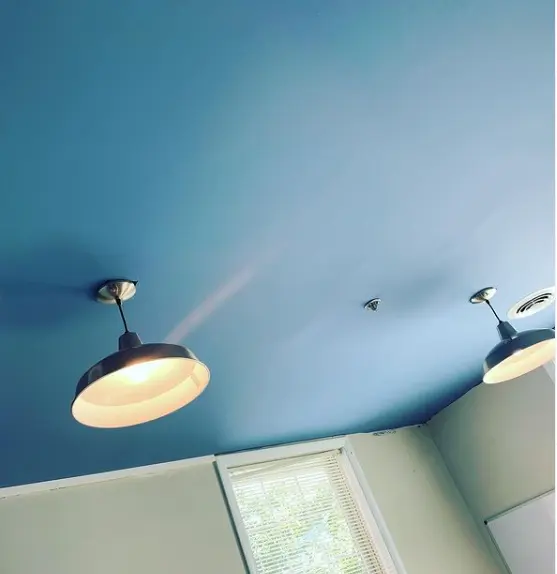
A house built in the 1950s or 1960s was designed for a different way of living. Rooms were smaller and more separate. Ceilings were textured. Paneling was fashionable. Closets were shallow. The good news is that the bones are solid, which is why Donelson's bungalows and ranches have stayed in demand and why interior painting does so much for them.
Neighborhood guides describe most Donelson housing as predating 1970, largely two and three-bedroom bungalows and ranches, with split-level and Cape Cod variations. This page explains how we paint those interiors: what to do about textured ceilings, how to handle paneling, how to treat original trim and doors and how to choose colors for rooms that were built small.
Ceilings: paint, skim or retexture
Textured ceilings are everywhere in mid-century houses. You have three choices. You can paint them as they are, which works if the texture is clean and sound. You can skim-coat them for a smooth modern look, which changes how a room feels and reflects light better. Or you can patch and retexture damaged areas to match. Which is right depends on condition, budget and taste.
In houses built before the late 1970s, some ceiling textures contain asbestos. Testing before disturbing them is wise, and we discuss it before sanding, scraping or skim-coating. Painting over sound texture without disturbing it is a different matter, and we are happy to help you think through the options.
Paneling, dens and basement rooms
Mid-century houses often have a paneled den, family room or basement. Painting paneling transforms the room and the way light moves through the house. We clean and degloss, fill nail holes, prime with a bonding primer and either keep the grooves visible for a classic look or fill them for a flat wall. Painting a paneled room usually makes the house feel larger than any other single change you can make for the money.
Original doors, trim and built-ins
Many Donelson houses still have original hollow-core or paneled doors, wide trim and built-in shelves. They are worth treating well. We degloss, sand lightly, fill dings, prime and apply durable enamel, which hides decades of wear and gives a crisp, even finish. Built-ins often look best painted a deeper color than the walls, which frames the room and adds depth.
Color for rooms that were built small
Smaller mid-century rooms respond well to light, warm colors on the walls, a true white on the ceiling and trim a shade lighter than the walls. Mid-century style also welcomes color. Muted teal, olive, warm yellow and dusty blue work well in the right rooms, especially in a den or powder room. We help you test samples against your floors and fixtures, which are often a fixed part of the room's palette.
Homes that back onto parkland
Some Donelson streets, like those off Windemere Drive, back onto Two Rivers Park. Rooms facing the park get green, filtered light, and colors can read cooler there than elsewhere. We recommend testing samples in each room and viewing them at different hours, and we adjust the undertone if a room feels too cool or too warm.
What a mid-century repaint typically costs in time and money
The biggest variables are ceiling treatment, paneling and trim. Painting sound textured ceilings is quick. Skimming them smooth is a multi-day process with drying between coats. Paneled rooms need extra primer and sometimes groove filling. We price those choices separately so you can decide what is worth doing now and what can wait.
Planning so one room does not make the next look worse
A repainted living room beside a worn hallway looks odd. We suggest finishing connected spaces together, or at least planning the order so each finished room sits next to another finished room. That keeps the house looking cohesive during a phased project.
Doors, hardware and the finishing details
New paint calls attention to old hardware. Tarnished switch plates, mismatched knobs and painted-over hinges stand out against crisp walls. We remove hardware where practical, paint doors off the hinge when it improves the finish and reinstall everything cleanly. Small replacements, like new cover plates, are inexpensive and make a surprising difference.
Donelson places that frame these interiors
These documented Donelson places show the character of the neighborhood and the kinds of houses around them.
- Two Rivers MansionAn 1859 Italianate house at 3130 McGavock Pike, listed on the National Register in 1972, a reminder of the area's long history.
- The 1802 HouseA Federal-style red brick house beside the mansion, one of the area's oldest buildings.
- Two Rivers ParkA large park with a golf course, on whose edge some mid-century homes sit.
- Stones River GreenwayA greenway running through Two Rivers Park, used by many nearby households.
- Windemere Drive areaMid-century homes that back onto Two Rivers Park, where green-filtered light affects color choices.
- Percy Priest LakeA Corps of Engineers lake about four miles away, popular for boating and hiking.
How long a mid-century repaint takes
A typical two or three bedroom house with ceilings, walls and trim takes five to seven working days. Skim-coating ceilings adds several days for drying and sanding. Paneled rooms need an extra day for bonding primer. We give you a written schedule at the estimate. Winter is a good time to book interior work.
Donelson interior painting questions
Should I test my textured ceiling before painting?
If it will be sanded, scraped or skim-coated in an older house, yes. Painting sound texture without disturbing it is different, and we will explain the options.
Can you paint wood paneling?
Yes, with cleaning, deglossing and bonding primer.
Do you paint original doors and trim?
Yes, with careful prep and durable enamel.
What colors suit a small mid-century room?
Light warm neutrals, with bolder color in a den or powder room.
Is the estimate free?
Yes.
Mid-century homes deserve a good finish
Call (615) 686-7495 for a free interior painting estimate in Donelson.
Also painting interiors in Hermitage, Nashville and Old Hickory. All about interior painting · Everything we do in Donelson